
Features Of The Best Pool Deck Resurface And Concrete
Related Post
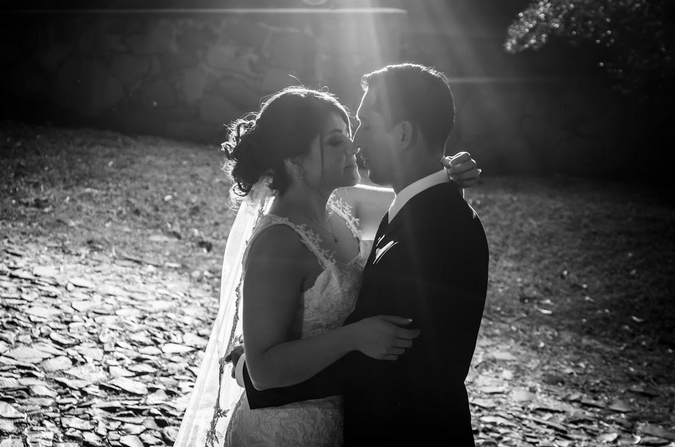
Choosing the Right Wedding Photographer: A Comprehensive Guide for CouplesChoosing the Right Wedding Photographer: A Comprehensive Guide for Couples
Your wedding day is a celebration of love, and every moment deserves to be captured in a way that reflects the essence and uniqueness of your relationship. Choosing the right San Antonio Wedding Photographer is a crucial decision that can profoundly impact how you relive those cherished moments for years to come. In this comprehensive guide, we’ll walk you through the essential considerations to ensure you find the perfect photographer who understands your vision and can turn your dream wedding into a beautifully documented reality.
Define Your Style
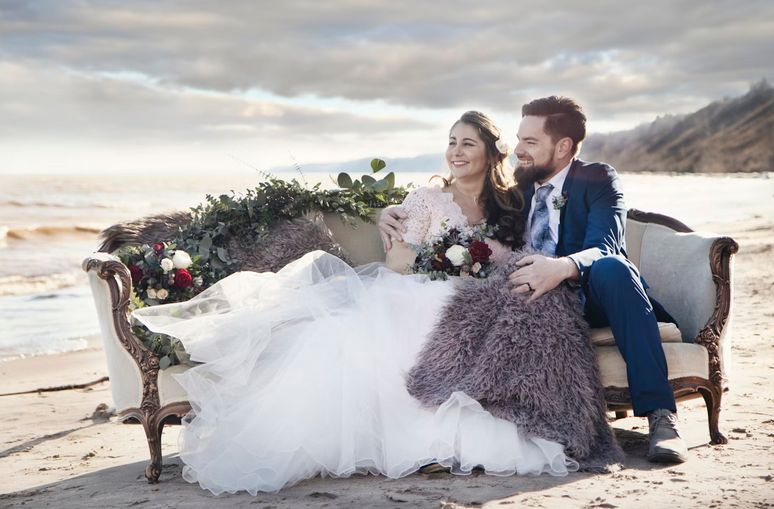
Start by identifying the photography style that resonates with you as a couple. Do you prefer classic and timeless images, or are you drawn to a more candid and documentary approach? Understanding your style preferences will help you narrow down photographers specializing in the aesthetic you envision for your wedding album.
Set a Realistic Budget
Establishing a realistic budget for wedding photography is a crucial step. Wedding photographers come with varying price points based on their expertise and the packages they offer. Be clear about your budget from the beginning to ensure you explore options that align with your financial plan while still delivering the quality and style you desire.
Research Extensively
Take the time to research potential photographers thoroughly. Look at their portfolios, read client reviews, and explore their social media presence. This will give you a sense of their artistic style, consistency, and the overall experience they provide couples on their wedding day.
Consider Experience and Expertise
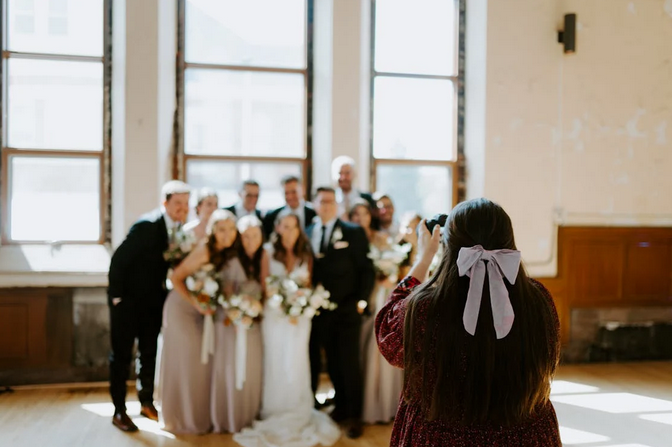
Experience matters when it comes to capturing the intricacies of a wedding day. Consider hiring a photographer with a proven track record in wedding photography. An experienced photographer understands the flow of events, can adapt to unexpected situations, and knows how to capture the most meaningful moments effortlessly.
Meet in Person or Virtually
Personal connection is vital when selecting a wedding photographer. Schedule in-person or virtual meetings to discuss your vision, ask questions, and gauge the photographer’s personality. This connection ensures you are comfortable and confident in your choice, paving the way for a seamless collaboration on your wedding day.
Discuss Packages and Services
Understand the packages and services offered by each photographer. Inquire about the number of hours of coverage, additional services like engagement shoots, and the delivery timeline for the final images. Clarity on these details will help you make an informed decision that aligns with your needs.
Review Full Wedding Albums

While portfolios showcase the best highlights, requesting to see complete wedding albums allows you to evaluate the photographer’s consistency throughout an entire event. This will give you a realistic view of their storytelling ability and how they capture moments from start to finish.
Clarify Editing and Post-Processing
Discuss the photographer’s approach to editing and post-processing. Understanding the level of retouching, color correction, and additional editing services will give you insight into your wedding images’ final look and feel.
Choosing the right wedding photographer is an investment in the timeless memories of your special day. By considering these factors and finding a photographer whose style, experience, and personality align with your vision, you can ensure that your wedding photos will tell the beautiful story of your love for generations to come.

Deer Attractant Scents: Understanding and Using Lures EffectivelyDeer Attractant Scents: Understanding and Using Lures Effectively
For avid hunters, attracting deer is a crucial element of a successful hunt. Deer attractant scents have become a valuable tool in a hunter’s arsenal, helping to lure these elusive creatures within range. You can also try deer food plot seeds to attract deer, and you’ll have to wait for a little while. But what is the science behind deer attractants, and how can you use them effectively? In this guide, we will explore the different types of deer attractant scents and provide tips on how to use them.
Understanding Deer Attractant Scents
Deer attractant scents, often referred to as deer lures or deer urine, mimic natural deer scents to attract deer by appealing to their senses. These scents are typically collected from deer and come in various forms, including liquid, gel, or spray. Understanding the types of deer attractants and their purposes is essential for using them effectively.

Types of Deer Attractant Scents
The two main types of deer attractant scents are doe urine and buck urine. Doe urine is collected from female deer during their estrus cycle, while buck urine is collected from male deer. Each type of scent serves a different purpose in attracting deer.
- Doe Urine: Doe urine is used to attract both does and bucks. During the rut (breeding season), bucks are constantly searching for does to mate with. By using doe urine, you can create the illusion of a receptive doe in the area, drawing in curious bucks looking for a potential mate.
- Buck Urine: Buck urine is primarily used to attract other male deer. During the rut, dominant bucks will mark their territory by urinating on trees or branches. By using buck urine, you can create the impression of a dominant buck in the area, potentially triggering other bucks to come to investigate and assert their dominance.
Using Deer-Attractant Scents Effectively
Now that we’ve covered the basics of deer attractant scents, let’s explore some tips for using them effectively.
Know Your Local Deer Population
Before using any deer attractant scent, it’s crucial to understand the deer population in your area. What types of deer are prevalent? Are you dealing with a dominant buck or a more passive one? Knowing this information will help you choose the right type of attractant and improve your chances of success.
Use Attractants Sparingly
Using too much attractant can actually have the opposite effect on deer, as they may become suspicious of the strong scent. It’s best to use attractants sparingly and strategically in areas where deer are known to frequent.
Consider Wind Direction
Deer have a keen sense of smell, so it’s essential to consider wind direction when using attractants. You want the scent to travel towards the deer, not away from them. Be mindful of the wind and use attractants accordingly to maximize their effectiveness.
Experiment With Different Scents
Every deer is different, and what may work for some may not work for others. It’s essential to experiment with different scents to determine which ones are most effective in your hunting area. Also, consider using a combination of scents, such as doe urine and buck urine, to create a more realistic scent profile.

Follow Local Regulations
Before using any deer attractant scents, make sure to check local hunting regulations, as they may vary from state to state. Some states may have restrictions on the use of certain types of scents or methods for attracting deer.
In Conclusion
Deer attractant scents can be valuable tools for hunters looking to improve their success in the field. By understanding the types of scents available, how they work, and using them effectively, hunters can increase their chances of attracting deer and securing a successful harvest. Remember that patience, proper timing, and a good understanding of deer behavior are essential elements of successful hunting, and deer attractant scents are just one part of the puzzle.
Tips for Building Strong, Happy and Healthy RelationshipsTips for Building Strong, Happy and Healthy Relationships
Whether you’re organizing a party, taking down an old house or looking for a job, you’ll need lots of good relationships to achieve your goal faster. Nobody can leave happily in total isolation. We all need the support of our fellow human beings to live more satisfying lives. If you are having trouble developing strong, happy and healthy relationships, here are four tips to relationship building that can make things easier for you.
Tips
Giving and Taking

Expecting to get whatever you want in your relationships all the time is a recipe for disappointment. That’s because healthy relationships are built on giving and take. It takes a lot of time and effort from everyone involved to ensure there’s a reasonable exchange. So, how can you create an atmosphere of compromise in your relationship? Always try to resolve conflicts rationally and fairly, and respect each other’s feelings and wishes.
Speak Up
Good communication is a key part of any healthy relationship. When communication stops, relationships also end. Therefore, it is better always to speak up what is on your mind instead of holding it in. As long as there is communication, you can work through any problems facing the relationship.
Create Healthy Boundaries
One of the best ways to keep your relationship strong and healthy is by creating healthy boundaries. Boundaries aren’t a sign of distrust or secrecy and neither are they meant to make you feel like you are walking on eggshells. On the contrary, setting boundaries together shows that you deeply understand the type of relationship you want and are committed to achieving it. It is about laying down the rules of what should and should not happen in the relationship to make everyone comfortable.
Spend Quality Time With One Another
In the mo dern world where demanding jobs, children, and long commutes make it almost impossible to get together, it is not always easy to spend time with your loved ones. Technology has made things even worse, as more people prefer chatting online, calling and texting to real-life meetings.
However, creating time for your friends and loved ones is very important if you want to build strong, healthy and happy relationships. Watch a movie together, go out for coffee, or take an evening stroll with the people you care about and build lasting memories. Be sure you’re not worrying about the future or dwelling in the past while spending time together. Instead, learn to be in the present moment and enjoy every second you spend together.
Implement these tips to relationship building, and enjoy a happier, healthier and more fulfilled life.